What is Garage Door Insulation?
Definition
Garage Door Insulation is a layer of material, typically polyurethane or polystyrene foam, installed inside garage door panels to reduce heat loss, improve energy efficiency, and minimize noise. It helps maintain consistent garage temperatures and lowers heating and cooling costs in homes and businesses.
TL;DR: Insulation material in garage doors that saves energy and reduces noise.
Key Takeaways About Garage Door Insulation
- Insulation reduces heat transfer, lowering heating and cooling costs year-round.
- Common materials include polyurethane foam and polystyrene, rated by R-value.
- Insulated doors are quieter and provide better temperature control than uninsulated doors.
- R-value indicates insulation strength; higher R-values offer better thermal performance.
- Professional installation ensures proper fit and maximum energy efficiency benefits.
Reviewed using authoritative sources including U.S. Department of Energy - Energy Efficiency and Renewable Energy, International Door Association - Technical Standards.
Understanding Garage Door Insulation: Definition and Context

Garage Door Insulation is a thermal layer. It's installed inside garage door panels. It reduces heat transfer between inside and outside. The most common materials are polyurethane foam and polystyrene foam. Both are lightweight and durable. They trap air to prevent temperature loss. These materials have an R-value rating. This rating shows how well they resist heat. A higher R-value means better insulation.
Insulated garage doors differ from standard doors. Uninsulated doors are hollow or filled with air. They offer minimal thermal protection. Insulated doors have foam between the panels. This creates a barrier that keeps warm air in during winter. It keeps cool air in during summer. This design also reduces garage door noise. Insulated doors are quieter for homes and businesses.
Garage door insulation can be installed two ways. It can be done during new door installation. It can also be added to existing doors. Professional installers ensure proper fit and sealing. This prevents air leaks that reduce energy savings.
Why Garage Door Insulation Matters for Garage Door Customers
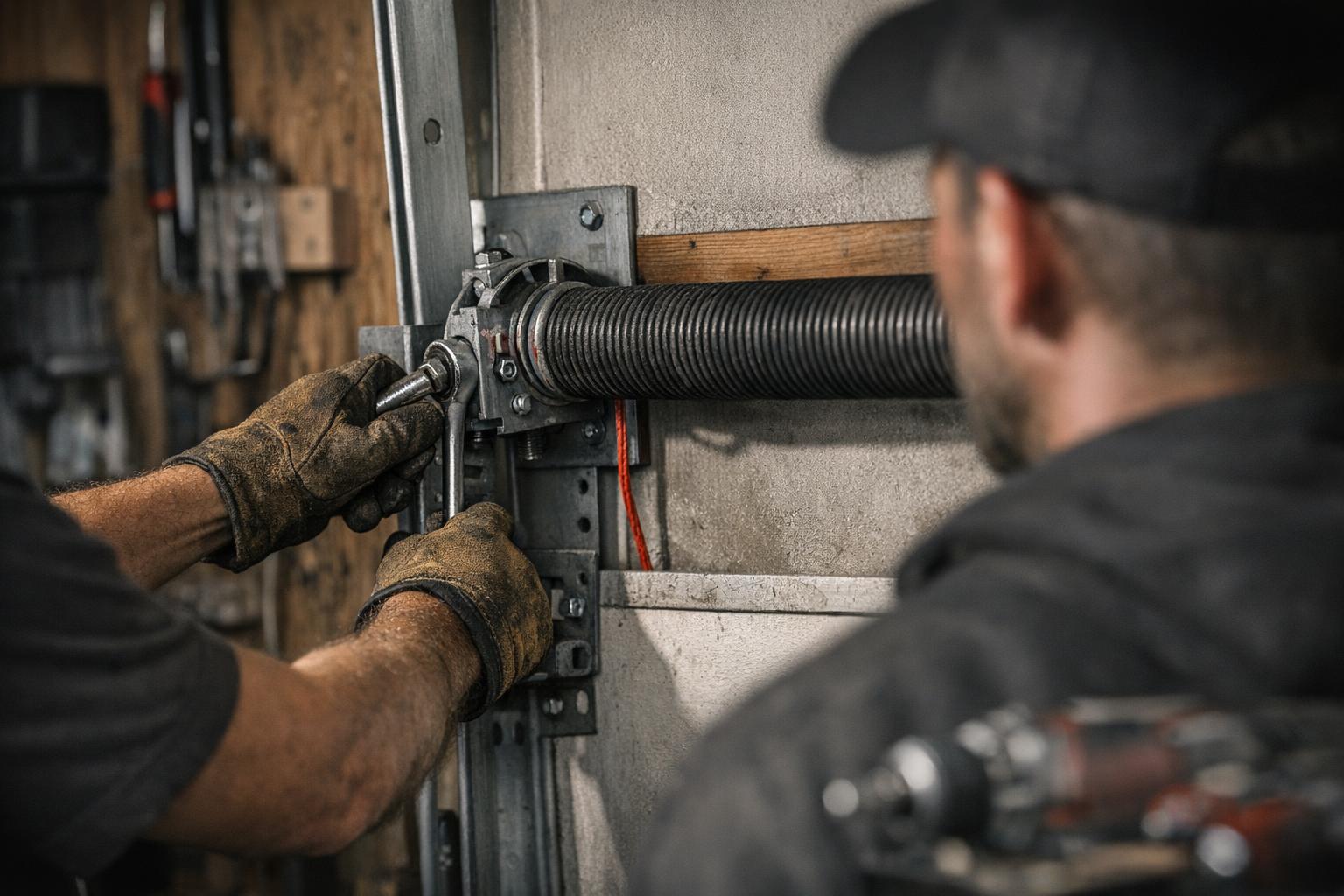
For homeowners and business owners in St. Albert, insulation offers several practical benefits. Alberta's cold winters cause significant heat loss. Uninsulated garage doors force heating systems to work harder. This increases energy bills. Insulated doors maintain more stable garage temperatures. This is important if your garage is attached. It's also important if you use it as a workspace. Lower energy use means reduced heating costs. Insulation is a smart long-term investment.
Insulated garage doors provide noise reduction and improved durability. They also protect vehicles and stored items better. The foam core adds structural rigidity to doors. This makes the door less likely to dent. It won't warp as easily. For customers concerned about comfort and security, insulation is practical. It also lowers utility bills. Garage door insulation pays dividends throughout the year.
How Garage Door Insulation Fits Into Garage Door Services in St. Albert
St. Albert Garage Doors offers professional insulation installation. We provide this as part of our full service lineup. You can install a new insulated door. You can also upgrade an existing door. Our experienced technicians ensure proper installation. We guarantee optimal performance. We help you select the right R-value. We consider your climate and needs. You'll get the best energy efficiency.
Our insulation services meet Alberta's climate demands. Temperature extremes make energy-efficient doors particularly valuable. We work with high-quality insulation materials. We follow industry best practices. We deliver results you can rely on. They'll last for years to come.
Garage Door Insulation in Practice: A Real-World Example
A homeowner in St. Albert with an attached garage notices their heating bills are higher than expected during winter. They upgrade to an insulated garage door with an R-value of 12. Within the first heating season, they see a noticeable reduction in energy costs and enjoy a quieter garage environment. The insulation also protects their vehicles from extreme temperature swings, extending their lifespan.
Sources & Further Reading on Garage Door Insulation
- U.S. Department of Energy - Energy Efficiency and Renewable Energy
- International Door Association - Technical Standards
- Natural Resources Canada - Home Energy Efficiency
Garage Door Services Related to Garage Door Insulation
Terms Related to Garage Door Insulation
Garage Door Maintenance
Garage Door Maintenance is the regular inspection, cleaning, and adjustment of garage door components to keep the system operating safely and smoothly. It includes lubricating moving parts, checking springs and cables, and testing safety features to prevent breakdowns and extend the door's lifespan.
Garage Door Weather Seal
Garage Door Weather Seal is a rubber or vinyl strip attached to the bottom and sides of a garage door to block air, water, dirt, and pests from entering the garage. It creates a tight seal between the door and the frame, improving energy efficiency and protecting the garage interior from outdoor elements.
Insulation Installation
Insulation Installation is the process of adding thermal insulation material to garage doors to reduce heat loss, improve energy efficiency, and minimize noise. This service involves fitting foam, fiberglass, or reflective barriers inside door panels, helping homeowners maintain comfortable garage temperatures and lower utility costs year-round.
Noise Reduction Upgrade
Noise Reduction Upgrade is a set of improvements made to a garage door system to minimize sound levels during operation. These upgrades include installing sound-dampening materials, replacing worn components, and upgrading the opener mechanism to reduce vibration and noise output.
Garage Door Hardware
Garage Door Hardware refers to the metal components and mechanical parts that enable a garage door to operate safely and smoothly, including springs, cables, rollers, hinges, brackets, and tracks. These parts work together to support the door's weight, guide its movement, and ensure reliable function.
Frequently Asked Questions About Garage Door Insulation
What R-value should I choose for my garage door insulation in St. Albert?
R-value recommendations depend on your climate and garage use. In St. Albert's cold climate, an R-value of 8 to 14 is typical for residential doors. Higher R-values provide better insulation but may increase door cost. Our technicians can assess your needs and recommend the best option for your home or business.
How much can I save on energy costs with an insulated garage door?
Energy savings vary based on garage size, insulation quality, and how much the garage is heated. Homeowners typically see 10 to 15 percent reductions in heating costs, especially if the garage is attached to the home. Over time, these savings often offset the initial investment in an insulated door.
Can I add insulation to my existing garage door?
Yes, insulation can be retrofitted onto most existing garage doors through professional installation. However, the feasibility depends on the door's current condition and design. Our team can inspect your door and recommend whether retrofitting or replacing with a new insulated door is the best solution.
Have Questions About Garage Door Insulation?
Contact our garage door experts in St. Albert for professional guidance.