What is Garage Door Weather Seal?
Definition
Garage Door Weather Seal is a rubber or vinyl strip attached to the bottom and sides of a garage door to block air, water, dirt, and pests from entering the garage. It creates a tight seal between the door and the frame, improving energy efficiency and protecting the garage interior from outdoor elements.
TL;DR: Rubber strips that seal gaps around your garage door to stop weather and pests from entering.
Key Takeaways About Garage Door Weather Seal
- Weather seals prevent cold air, rain, snow, and insects from entering your garage.
- They improve energy efficiency by reducing heating and cooling loss.
- Bottom seals wear out faster and need replacement every 3-5 years.
- Proper installation ensures maximum protection and performance.
- Regular maintenance extends the life of your weather seal.
Reviewed using authoritative sources including International Door Association (IDA) — Garage Door Maintenance Guidelines, Canadian Standards Association (CSA) — Garage Door Safety Standards.
Understanding Garage Door Weather Seal: Definition and Context
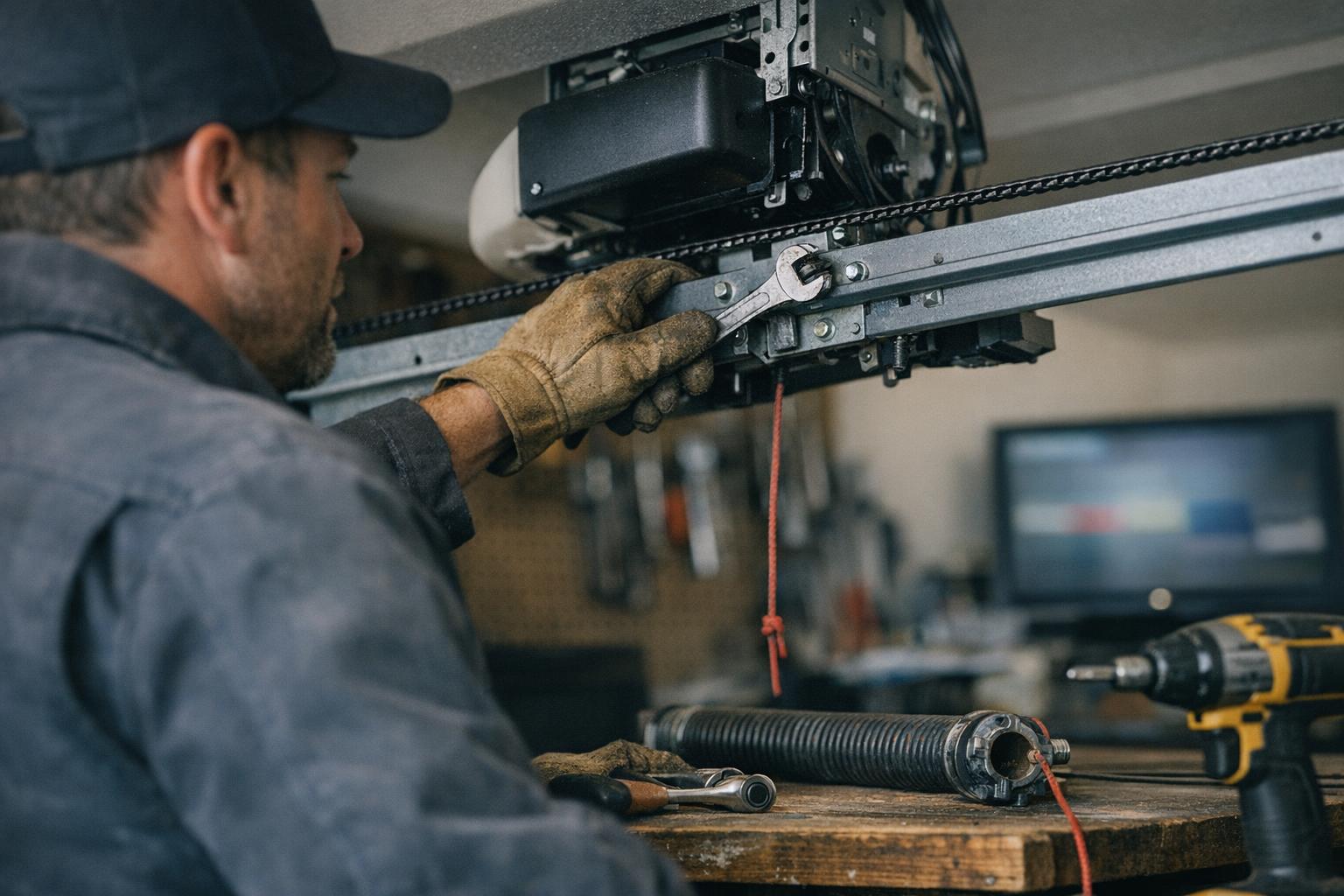
Garage Door Weather Seal is a rubber or vinyl strip. It's installed along the bottom and sides of a garage door. It creates a protective barrier against outdoor elements. This seal fills the gaps between the door panels and frame. It stops air, water, dirt, leaves, and pests from entering. Weather seals are made from durable rubber compounds. They withstand temperature changes, UV exposure, and constant compression from the moving door.
The most common type is the bottom weather seal. It runs horizontally across the lower edge of the door. It takes the most wear and tear. Side seals run vertically along the left and right edges. Top seals are also available but less common. These seals compress and expand with seasonal temperature changes. That's why they eventually crack, harden, or deteriorate over time.
Weather seals come in different profiles and materials. Some are adhesive-backed strips that stick directly to the door. Others are installed into channels or tracks on the frame. The thickness and durability of the seal material affect longevity. They also affect how well it performs in Alberta's harsh climate.
Why Garage Door Weather Seal Matters for Garage Door Customers
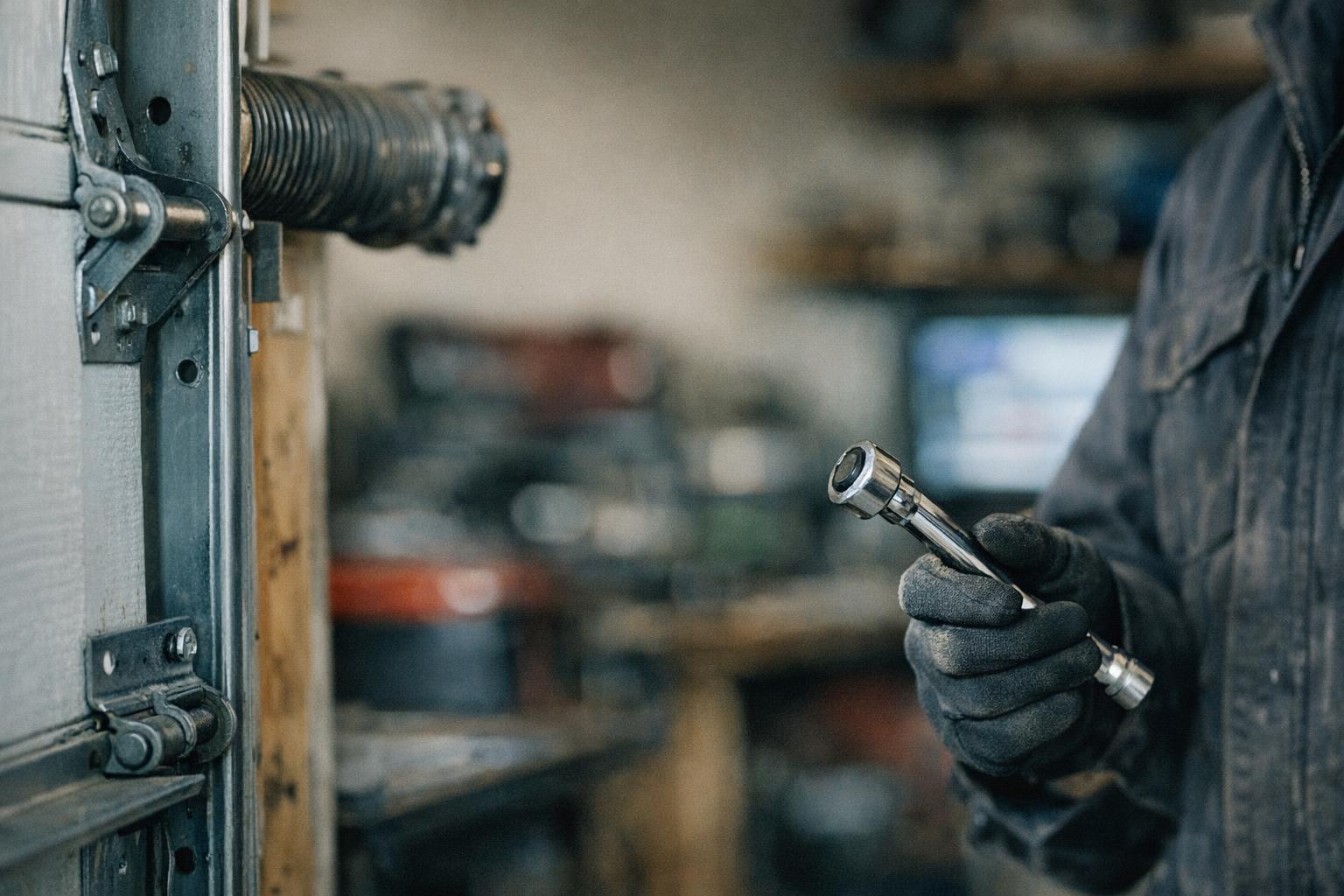
A functioning weather seal provides significant benefits for homeowners. It reduces energy loss by preventing warm air from escaping. In winter, this saves money on heating costs. In summer, it stops cool air from leaking out. This saves money on cooling costs. A good seal also protects stored items, vehicles, and equipment. It prevents moisture damage, rust, and deterioration from rain and snow. Weather seals keep out insects, rodents, and other pests. These pests can damage property or create health hazards.
In St. Albert's cold climate, weather seals are especially important. Winter temperatures can cause poor seals to fail. Cold air infiltrates through worn seals. Spring snowmelt and heavy rains can damage garage interiors. A worn weather seal may allow water to pool inside. This creates mold and structural damage. Replacing a damaged weather seal is very cost-effective. It's one of the most important maintenance tasks you can do.
How Garage Door Weather Seal Fits Into Garage Door Services in St. Albert
Professional garage door companies in St. Albert inspect weather seals regularly. They replace seals as part of routine maintenance and repair. Technicians can identify worn or damaged seals during inspections. They recommend replacement before problems occur. Weather seal replacement is straightforward and quick. It's often completed during the same visit as other repairs.
St. Albert residents should have weather seals checked annually. Check them especially before winter arrives. If you notice drafts, contact a local garage door provider. If you see water leaking into your garage, call for help. If you see visible cracks in the seal, get it replaced. Many companies offer weather seal replacement as a standalone service. They also offer it as part of a full maintenance package. This keeps your garage door operating safely and efficiently year-round.
Garage Door Weather Seal in Practice: A Real-World Example
A homeowner in St. Albert notices water pooling on the garage floor after heavy spring rains and feels cold air drafts around the garage door in winter. Upon inspection, the bottom weather seal is cracked and hardened from years of exposure. A garage door technician replaces the worn seal with a new rubber strip, eliminating the water infiltration and reducing the homeowner's heating costs.
Sources & Further Reading on Garage Door Weather Seal
Garage Door Services Related to Garage Door Weather Seal
Terms Related to Garage Door Weather Seal
Garage Door Maintenance
Garage Door Maintenance is the regular inspection, cleaning, and adjustment of garage door components to keep the system operating safely and smoothly. It includes lubricating moving parts, checking springs and cables, and testing safety features to prevent breakdowns and extend the door's lifespan.
Garage Door Insulation
Garage Door Insulation is a layer of material, typically polyurethane or polystyrene foam, installed inside garage door panels to reduce heat loss, improve energy efficiency, and minimize noise. It helps maintain consistent garage temperatures and lowers heating and cooling costs in homes and businesses.
Garage Door Hardware
Garage Door Hardware refers to the metal components and mechanical parts that enable a garage door to operate safely and smoothly, including springs, cables, rollers, hinges, brackets, and tracks. These parts work together to support the door's weight, guide its movement, and ensure reliable function.
Garage Door Safety
Garage Door Safety is a set of protective measures, devices, and practices designed to prevent injuries, property damage, and unauthorized access related to garage door operation. It includes safety sensors, emergency stops, proper maintenance, and adherence to building codes to ensure safe use for homeowners and their families.
Garage Door Track
Garage Door Track is the metal rail system that guides a garage door's vertical and horizontal movement as it opens and closes. These aluminum or steel channels are mounted on both sides of the door frame and contain rollers that allow smooth, controlled operation of the door panel.
Frequently Asked Questions About Garage Door Weather Seal
How often should I replace my garage door weather seal?
Bottom weather seals typically need replacement every 3-5 years depending on climate and usage. St. Albert's harsh winters and temperature fluctuations can accelerate wear. Inspect your seal annually and replace it immediately if you notice cracks, hardening, or visible gaps.
What are the signs that my garage door weather seal needs replacement?
Common signs include visible cracks or tears in the rubber, hardened or brittle material, water pooling inside the garage, drafts or cold air entering, and visible daylight under the door. If you notice any of these issues, contact a garage door technician for inspection and replacement.
Can I replace a garage door weather seal myself?
Some homeowners can replace adhesive-backed weather seals themselves, but professional installation ensures proper fit and maximum protection. Technicians have the right tools and expertise to install seals correctly and may identify other maintenance needs during the service.
Have Questions About Garage Door Weather Seal?
Contact our garage door experts in St. Albert for professional guidance.